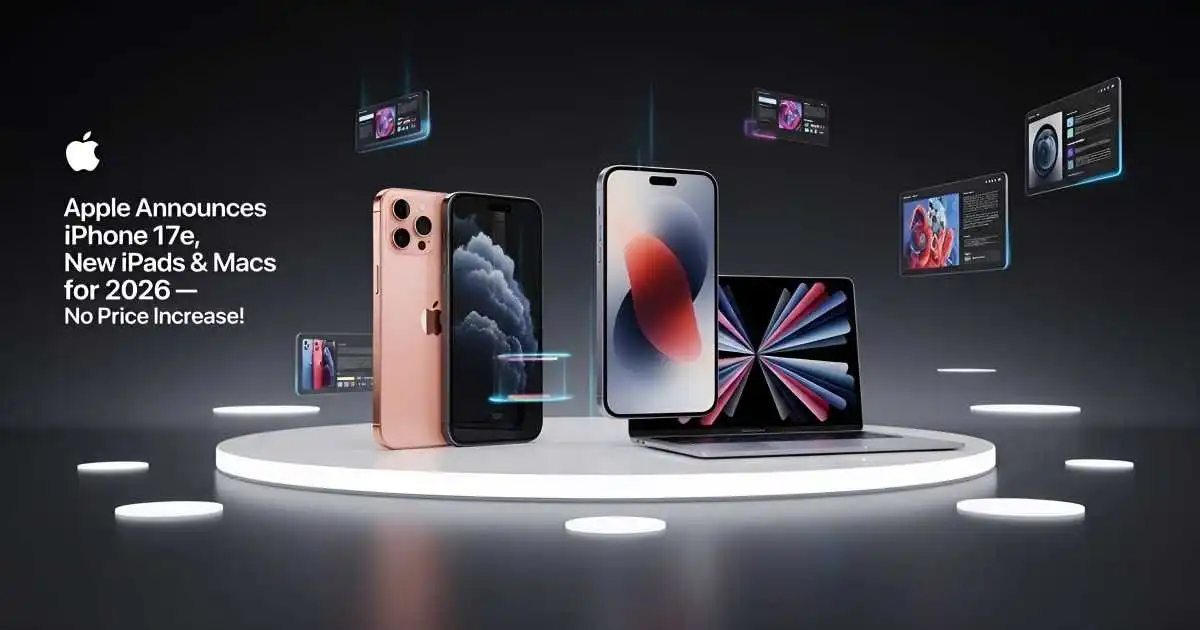
Apple is preparing for its next major product cycle, and early 2026 is expected to bring significant updates across the iPhone, iPad, and Mac lineups. Supply chain indicators and market analysis suggest the company may maintain current pricing even as it introduces next-generation hardware—a strategy that runs counter to broader industry trends.
This approach arrives as competitors navigate inflationary pressures and component shortages. The following analysis examines what the rumored lineup could entail and the strategic rationale behind maintaining price points.
The market context
According to research from Gartner, Inc., premium smartphone market growth is projected to remain moderate through 2026, making market share gains through value positioning increasingly critical for major hardware manufacturers. Industry tracking from International Data Corporation similarly points to sustained competition in the mid-to-premium segments.
Apple’s historical product cycle suggests a preference for gradual performance and ecosystem improvements rather than disruptive redesigns.
Projected hardware updates
Based on supplier reports and component forecasts, analysts have outlined a projected feature set for Apple's 2026 devices. These should be viewed as projections rather than confirmed specifications:
If these projections materialize, the iPhone 17e would bring features previously limited to Pro models—including MagSafe, USB-C, and a higher-resolution main camera—to a more accessible price point.
Feature expectations
Current speculation suggests the following comparisons to previous generations:
- Processor: A19 Bionic performance improvements expected compared to A18
- Charging: USB-C with MagSafe integration expected
- Main camera: 48MP sensor widely anticipated resolution upgrade
- Base iPad (12th gen): A18 chip modest performance increase
- iPad Air (8th gen): M4 chip potentially narrowing the gap with iPad Pro
- iPad Mini: OLED display frequently cited by display industry analysts
The next-generation M5 chip, if introduced, would serve multiple strategic objectives: extended battery life, professional-grade performance in consumer devices, and enhanced AI/ML capabilities. Reports also suggest Apple may introduce a new entry-level MacBook configuration.
Market dynamics and competition
If Apple executes on this roadmap, several competitive implications emerge:
Android ecosystem response
Manufacturers face increased pressure to match Apple's value proposition. Flagship features are expected to accelerate their migration to mid-range devices, with differentiation increasingly dependent on software and ecosystem integration.
Industry trends
The $500–$800 segment is expected to see heightened competition. Universal USB-C adoption may accelerate accessory standardization. Enterprise adoption of Apple devices could see gradual growth.
Consumer positioning
The strategy is widely interpreted as an attempt to strengthen presence in price-sensitive and enterprise segments while making the ecosystem more accessible to first-time buyers.
Manufacturing and execution considerations
Manufacturing timelines, component availability, and corporate strategy decisions may alter the final product configuration before release. Supply chain cost pressures—particularly for advanced displays and next-generation chips—could influence final specifications or pricing. Aggressive Android competition in the mid-range and premium segments means market conditions remain fluid.
Longer-term trajectory
The early 2026 launch cycle, if realized, would establish a foundation for future product categories. Industry observers expect subsequent generations—including the iPhone 18 series—to incorporate deeper AI integration and potential design refinements. A more accessible Vision Pro variant and expanded services offerings would leverage the installed base that a competitively priced 2026 lineup would help build.
Conclusion
The speculation surrounding Apple's 2026 product strategy points to a deliberate focus on value proposition management. By delivering meaningful hardware improvements while maintaining current pricing, the company is positioning itself to appeal to both premium and value-conscious consumers. The approach is expected to influence competitive dynamics across the mobile and personal computing sectors while reinforcing ecosystem advantages. As with all unannounced products, final specifications and release timing remain subject to change based on manufacturing capabilities and strategic adjustments.