This article is based on multiple industry reports and market analysis. NVIDIA has not confirmed any 2026 consumer GPU roadmap. Some information reflects projections and could change.
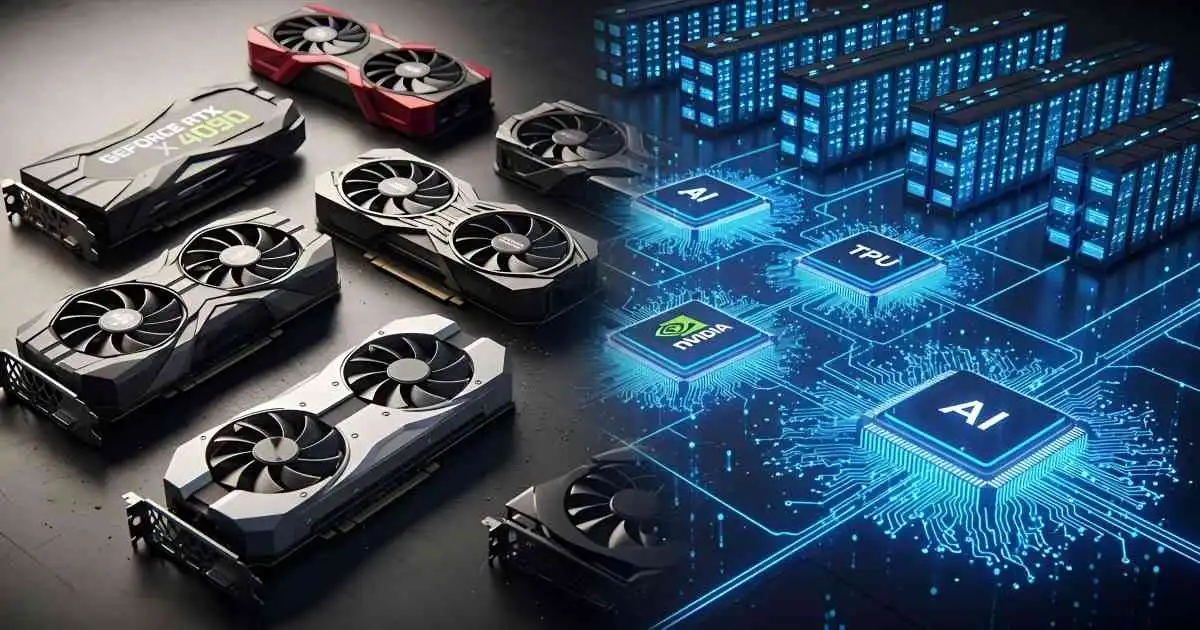
If you're into PC gaming or building rigs, you've probably noticed how GPU prices remain unpredictable and stock disappears fast. Now, according to multiple industry reports, NVIDIA may skip releasing new consumer gaming GPUs in 2026 — something that would be highly unusual for the company.
Let's break down what's being reported, why it's happening, and what it could mean for gamers.
Important Disclaimer
This article is based on industry reports and media sources. NVIDIA has not officially confirmed its 2026 gaming GPU roadmap. Information is subject to change based on market conditions and corporate announcements.
The numbers that matter
According to industry sources and financial reports, the shift in NVIDIA's priorities is reflected in key metrics:
For nearly three decades, NVIDIA has released new gaming GPUs almost every year. Whether it was a full generational jump (RTX 30 → RTX 40 → RTX 50) or mid-cycle refreshes like Ti or Super models, gamers could usually expect something new.
Why this would be a big change
This reported slowdown isn't about NVIDIA abandoning gamers — it's about supply limitations and shifting priorities.
Consistent Releases
For 26 years straight, NVIDIA has maintained regular gaming GPU releases from GeForce 256 to RTX 50-series.Potential Pause
First year since 1999 without any new gaming GPU launches — including no refreshes or Super models.Revenue Shift
Gaming revenue now less than 30% of NVIDIA's total, down from over 50% just five years ago.The main reason: AI demand and memory constraints
High-end GPUs rely on extremely fast and expensive memory, such as GDDR7 VRAM. At the same time, NVIDIA's AI and data-center products require massive amounts of similar high-performance memory.
Memory supply chain pressures
- Samsung:Production at 95% capacity
- Micron:Allocating 60% to enterprise
- SK Hynix:Prioritizing HBM3/4 for AI
- GDDR7:Production lagging demand
AI hardware boom
Memory Requirements
- Blackwell B200: 192GB HBM3e
- Single AI card = 24 gaming GPUs worth of memory
- Enterprise orders in thousands of units
- 4-6x higher margins than gaming
Production Reality
- Memory manufacturers at capacity
- AI chips get priority allocation
- Gaming GPUs face supply constraints
- Higher prices for remaining stock
Impact on current RTX 50-series GPUs
According to industry sources, the effects may already be visible. Reports suggest NVIDIA has reduced production of some RTX 50-series models, particularly higher-end cards that use larger amounts of VRAM.
| Model | VRAM | Production Status | Market Impact |
|---|---|---|---|
| RTX 5090 Ti | 24GB GDDR7 | Limited Production | Extremely limited availability |
| RTX 5080 | 16GB GDDR7 | Reduced Volume | Higher prices expected |
| RTX 5070 | 12GB GDDR7 | Normal Production | Moderate availability |
| RTX 5060 | 8GB GDDR6 | Increased Focus | Better availability |
What about the RTX 60-series?
Looking further ahead, the next major generation — commonly referred to as the RTX 60-series — is widely expected to be based on NVIDIA's future Rubin architecture.
Roadmap Expectations
What this means for gamers right now
If these reports turn out to be accurate, here's how gamers might want to think about upgrades:
Pros of the Slowdown
- More time for developers to optimize games
- Driver and software improvements (like DLSS updates) can extend GPU lifespan
- More stable pricing for current generation
- Opportunity to upgrade other system components
Cons
- No major performance leap in 2026
- High-end builders may feel stuck waiting
- Potential price inflation for existing stock
- Delayed adoption of new technologies
Strategic recommendations
Casual/1080p Gamers
- RTX 4060/4070 offer excellent value
- Consider AMD RX 7000 series alternatives
- Focus on CPU/RAM upgrades for now
- Wait for market stabilization
Enthusiast/4K Gamers
- RTX 4080/4090 still have 2+ years of relevance
- Monitor AMD's RDNA 4 developments
- Consider used high-end RTX 30-series
- Invest in monitor/SSD upgrades instead
Competitor landscape
NVIDIA's potential pause creates significant opportunities for competitors:
AMD Opportunity
RDNA 4 and RDNA 5 roadmap acceleration could capture up to 35% market share if NVIDIA pauses gaming releases.
Intel Battlemage
Potential market entry point for Intel to gain gaming GPU mindshare with competitive mid-range offerings.
Final analysis
NVIDIA's gaming division isn't disappearing. Technologies like DLSS, ray tracing, and driver optimization continue to evolve and benefit players. However, AI has become the company's dominant growth engine. With limited high-end memory supply, NVIDIA appears to be prioritizing the segment that delivers the highest returns. While this situation is likely temporary as memory production expands, it highlights how closely the gaming GPU market is now tied to the broader AI boom.
The AI revolution is reshaping hardware priorities across the industry. For gamers, patience and strategic planning will be key as the market adjusts to this new reality. Those holding RTX 40-series or new RTX 50-series cards may find themselves with top-tier hardware for longer than expected.