This article discusses potential developments based on industry reports and public statements. No official launch details of the described platform have been confirmed.
Imagine scrolling through social media and realizing that half the accounts you see aren't real. They're bots. Now, imagine a platform where every user is a real human. That's exactly what OpenAI is reportedly building, and it could change the way we interact online forever.
In what could be one of the most significant shifts in social media history, OpenAI — the company behind ChatGPT — is developing a brand-new social media platform with one revolutionary goal: to stop fake bot accounts and ensure that every user is a real human.
The numbers that matter
The scale of the bot problem and OpenAI's proposed solution can be measured in key metrics:
Online bots, especially AI-powered ones, have reached epidemic proportions across social media. Advanced AI can now pass CAPTCHAs and mimic human behavior, making detection nearly impossible.
The bot problem: Why OpenAI is acting now
AI-Powered Bots
- Advanced AI can now pass CAPTCHAs and mimic human behavior, making detection nearly impossible.
Misinformation Spread
- Bots amplify false information, manipulate trends, and create artificial consensus.
Spam & Scams
- Automated accounts flood platforms with spam, scams, and malicious content.
Degraded Experience
- Social media feels increasingly fake, with automated posts dominating feeds and discussions.
OpenAI CEO Sam Altman has been vocal about this issue, stating that social media feels "too fake today because of bots," which has become a primary motivation for developing this new platform.
The solution: Biometric proof of personhood
How it would work
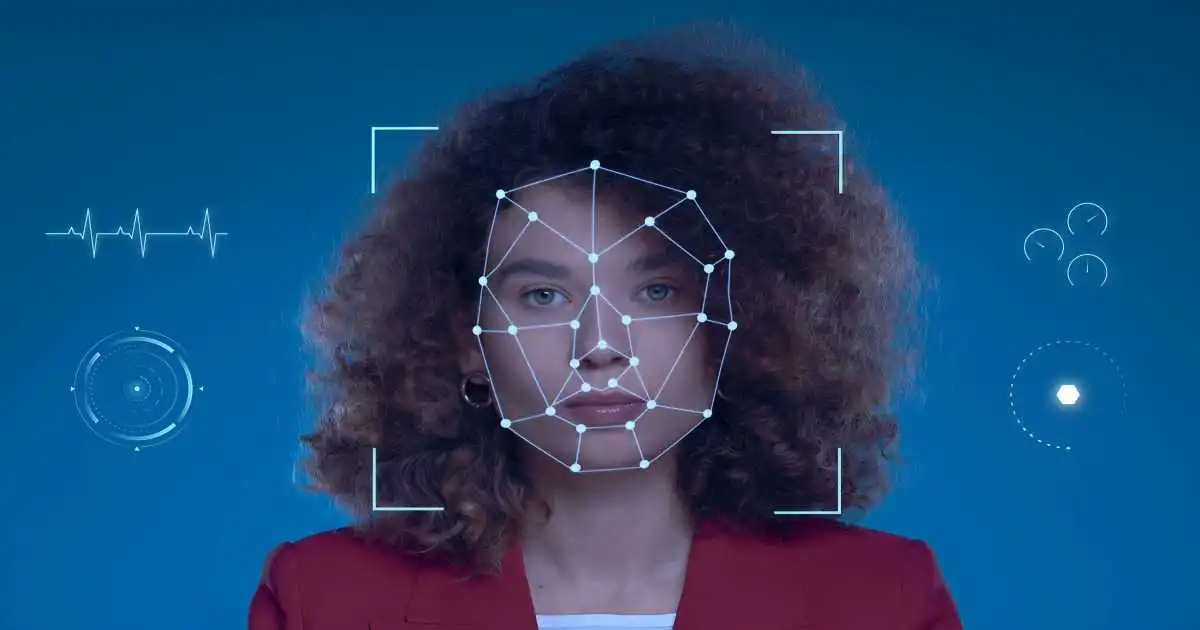
Instead of traditional verification methods that bots can easily bypass, OpenAI's platform would use biometric confirmation:
Verification Methods Being Considered
- Face ID Recognition: Using your phone's camera or secure system to verify unique facial features
- Iris Scanning: Potentially using devices like Worldcoin's World Orb for biometric authentication
- Physical Proof: Users prove they are human through unique biological traits that cannot be mass-generated
Why this is different
Current platforms rely on email or phone verification, which bots can create en masse. Biometric verification presents unique advantages:
Unique Biological Traits
- Face and iris patterns are unique per person
- Cannot be replicated or mass-generated
- Provides definitive proof of human identity
Enhanced Security
- Dramatically reduces fake accounts
- Limits spam and automated content
- Creates genuine human interaction
The Worldcoin connection
This initiative is closely tied to Worldcoin, a biometric ID project co-founded by Sam Altman. The platform could potentially integrate with Worldcoin's identity system, which already has millions of users verified through iris-scanning "Orbs."
Privacy and safety: The major concerns
Not everyone is excited about this development. Biometric data raises significant privacy concerns:
Data Security Risks
- Biometric data cannot be changed if compromised
- Potential for massive data breaches
- Government surveillance concerns
Privacy Implications
- Complete loss of anonymity online
- Potential for discrimination
- Centralized control of identity
Accessibility Issues
- Not everyone has biometric-capable devices
- Cultural resistance to biometric scanning
- Potential digital exclusion
Ethical Questions
- Who controls the verification system?
- What happens if you're denied access?
- Potential for social credit systems
Projected timeline and development
Initial Development
Small team begins prototyping the platform, focusing on biometric verification integration.Private Testing
Limited alpha testing with select users, refining verification process.Public Announcement
Official platform announcement expected with details on verification.Full Launch
Potential full public launch if technical and regulatory hurdles are overcome.Potential impact on social media landscape
If successful, this platform could challenge major social networks like X (Twitter) and Meta Platforms (Facebook/Instagram), pressuring them to adopt similar verification methods to combat bots.
What to watch for
Critical Developments Ahead
Final analysis
OpenAI's human-only social media platform represents a fundamental reimagining of online interaction. While the technical and privacy challenges are substantial, the potential benefits could be transformative: dramatic reduction in spam, scams, and misinformation; restoration of genuine human connection online; new standards for platform accountability and authenticity; and potential to reset social media's role in society.
The coming year will reveal whether this bold vision can overcome privacy concerns and technical hurdles. Whether it succeeds or fails, OpenAI's move has already started an important conversation about what we want from our social platforms and what we're willing to sacrifice for authenticity.
Stay tuned to TechEasyNow for continuous updates on this developing story and comprehensive analysis of what it means for the future of social media and online privacy.