Introduction: The Spec Sheet Trap
Here's something reviewers don't say enough: megapixels are mostly marketing. A 200MP camera won't automatically take better photos than a 48MP one. In fact, sometimes it's worse—pushing more pixels than the lens can resolve creates soft, over-processed images.
What actually matters in 2026 is how a phone's camera system aligns with how you shoot. The best camera phone for a concert photographer (needs zoom) is different from the best for a parent chasing toddlers (needs reliable moving-subject capture) is different from the best for a traveler (needs versatility).
This guide cuts through the spec wars to help you choose based on real-world performance.
Part 1: What Actually Matters in 2026 Photography
The Hardware vs. Software Balance
Every major reviewer agrees on one thing: computational processing matters as much as sensor hardware. Google's Pixel line proves this year after year—using modest sensors paired with exceptional software to outshoot phones with "better" specs.
The iPhone 17 Pro's 48MP sensors and Photonic Engine deliver consistent, natural results not because the hardware is revolutionary, but because Apple's processing prioritizes accurate skin tones and realistic shadows. Samsung's Galaxy S25 Ultra captures more detail at 200MP, but those images often need editing to look natural.
What you're buying is a philosophy:
iPhone
Natural, consistent, true-to-life
Computational excellence, AI-enhanced
Samsung
Versatile, feature-rich, zoom-focused
Xiaomi/Leica
Distinctive, contrasty, artistic
Oppo/Hasselblad
Balanced, color-accurate
The Zoom Question
If you shoot distant subjects—concerts, wildlife, architecture from afar—zoom capability is non-negotiable.
The current landscape:
The Samsung Galaxy S25 Ultra remains the zoom champion for versatility, with its dual telephoto setup (3x and 5x) covering most scenarios. But the upcoming Xiaomi 17 Ultra's continuous optical zoom from 3x to 10x is genuinely unique—you can smoothly transition between focal lengths with no quality drop.
Oppo's Find X8 Ultra pushes even further, with a 6x periscope lens that effectively reaches 135mm equivalent—concert photography territory.
If you rarely zoom beyond 3x, you're paying for capability you won't use.
Low-Light Performance
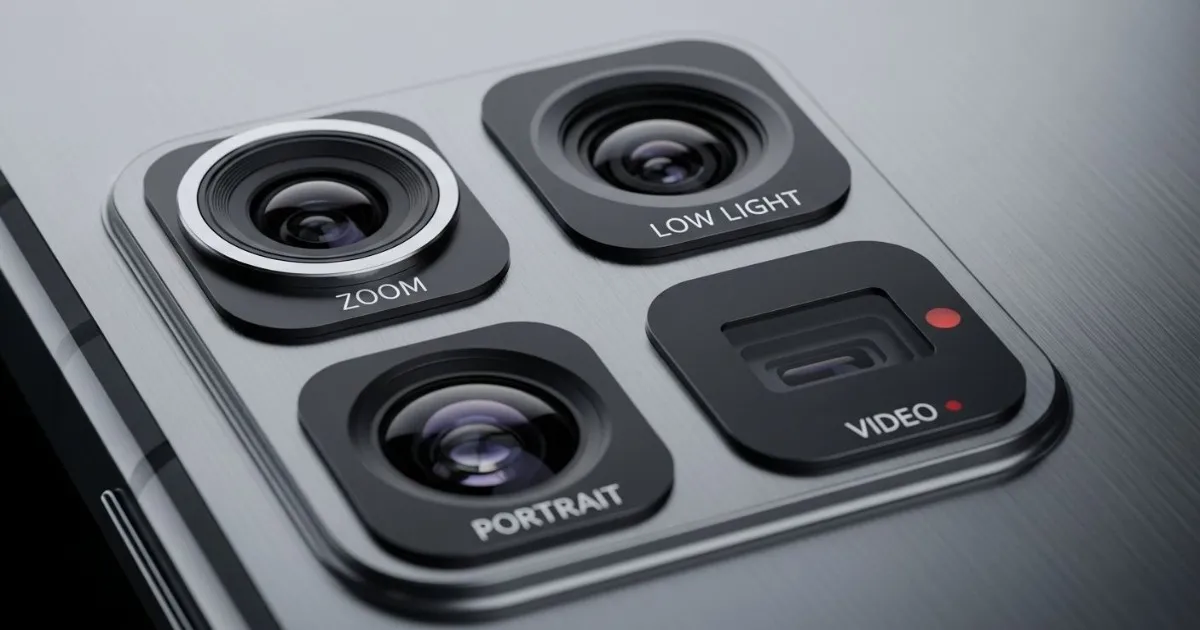
Low-light photography separates good cameras from great ones. In 2026, the key factors are:
- Sensor size: Larger sensors capture more light. The 1-inch sensors in Xiaomi's Ultra phones and Oppo's Find series have a genuine advantage
- Aperture: Wider apertures (lower f-numbers) let in more light. The Galaxy S26 Ultra's improved apertures promise significantly better low-light capture
- Computational stacking: How well the phone combines multiple exposures
For night photography, the Xiaomi 15 Ultra's 1-inch sensor delivers exceptional detail. Google's Pixel 10 Pro XL produces the most consistent low-light results, though images can look slightly over-processed.
Vivo's X200 Ultra, with its 35mm main camera and 85mm APO telephoto, excels at night portraits, precisely separating subjects from backgrounds without obvious AI artifacts.
Video Capability
If you shoot video, your decision simplifies:
The iPhone 17 Pro and Pro Max are class leaders. Features include:
- 4K Dolby Vision HDR recording
- Cinematic Mode with rack focus
- Action Mode for stabilization
- 48MP sensors across all three lenses for consistent quality when switching focal lengths
- ProRes and Log recording for professional workflows
Samsung's Galaxy S25 Ultra counters with 8K recording and Log video support with LUT compatibility for filmmakers. But for most users, Apple's video stabilization, color science, and editing integration remain unmatched.
The new selfie camera on iPhone 17 Pro (called Center Stage) lets you hold the phone vertically and take horizontal selfies thanks to a square sensor—a small but genuinely useful innovation.
The Portrait Question
Different brands approach portraits differently:
- iPhone: Natural, smooth background blur, reliable subject separation around tricky edges like hair. Post-shot adjustments maintain a realistic look
- Google Pixel 10 Pro XL: Unparalleled portrait shots with natural skin tones regardless of lighting
- Samsung: More pronounced blur effects, often sharper subject details
- Vivo X200 Ultra: 85mm focal length is ideal for portraits, with APO chromatic aberration correction for clean edges
Part 2: The 2026 Camera Phone Landscape
The All-Rounders
Samsung Galaxy S25 Ultra
If you want one phone that handles everything well, this is it. The 200MP main sensor, upgraded 50MP ultrawide, and dual telephoto setup (3x and 5x) make it the most versatile camera system available.
iPhone 17 Pro Max
The iPhone 17 Pro Max delivers the most consistent experience, particularly for video. The 48MP sensors across all three lenses mean quality remains stable when switching focal lengths. The 4x telephoto (with 48MP sensor 56% larger than last year's) captures more detail and dynamic range than the previous 5x lens.
The battery life is exceptional—CNET reports the Pro Max still had 22% or more after full days of heavy use, the best they've ever tested.
The Photography Specialists
Xiaomi 15 Ultra
The Xiaomi 15 Ultra's 1-inch main sensor and 200MP periscope lens (4.3x) deliver exceptional detail across all focal lengths. Leica tuning produces images with distinctive character—contrasty, intentional, sometimes divisive.
Google Pixel 10 Pro XL
Google's computational approach remains unique. Rather than chasing sensor upgrades, Google optimizes processing to extract maximum quality from proven hardware. The results are the most consistently excellent photos of any smartphone—natural colors, reliable moving-subject capture, and low-light processing that preserves detail while maintaining realistic exposure.
The Super Res Zoom uses AI to enhance digital zoom beyond 5x, though optical quality still wins for distant subjects.
The Chinese Challengers
The real action in 2026 is among Chinese flagships that out-spec Samsung in meaningful ways.
Xiaomi 17 Ultra (Upcoming)
Expected to feature a 1-inch main sensor and 200MP zoom camera with variable focal lengths (75mm-100mm). Continuous optical zoom from 3x to 10x is genuinely unique.
Oppo Find X9 Ultra (Upcoming)
Expected to launch in Europe for the first time, featuring two 200MP sensors—one for main (1/1.12-inch Sony) and one for 3x telephoto (1/1.28-inch). A true 10x telephoto capability could appeal to former Galaxy S23 Ultra users missing that range.
The Find X8 Ultra already demonstrates Oppo's commitment to zoom, with 15mm-135mm equivalent coverage and "Danxia original color" technology for accurate night skin tones.
Vivo X200 Ultra
Features a unique "three-fixed-focus" system covering 14mm ultrawide, 35mm main, and 85mm telephoto. The 35mm focal length is closer to traditional photography than the wider 23/24mm lenses most phones use. The 85mm telephoto uses a 200MP sensor with APO chromatic aberration correction.
Honor Magic8 RSR Porsche Design
Features a 200MP 125mm periscope telephoto—the longest optical reach in the market. The main camera uses a 50MP sensor with physical variable aperture (f/1.4-f/4.0) for depth control.
Part 3: Matching Phones to Photographers
You Shoot Concerts and Events → Prioritize Zoom
You Photograph Family and Kids → Prioritize Reliability
You Shoot Travel and Landscapes → Prioritize Versatility
You Shoot Street Photography → Prioritize Focal Length
You Shoot Video → iPhone, Then Samsung
You Want Great Photos Without Learning Photography → Google Pixel
You're on a Budget → Don't Ignore Mid-Range
Part 4: The Decision Framework
Ask Yourself These Questions
What do I photograph most?
- People/portraits → Prioritize portrait processing and natural skin tones
- Distant subjects → Prioritize optical zoom
- Travel/landscapes → Prioritize ultrawide and versatility
- Low-light/night → Prioritize sensor size and computational processing
How much do I zoom?
- Never beyond 3x → Save money; don't pay for telephoto you won't use
- Occasionally to 5-10x → Samsung's 5x optical or Pixel's Super Res Zoom suffice
- Regularly beyond 10x → You need a zoom specialist (Samsung Ultra, Chinese flagships)
Do I shoot video?
- Yes, seriously → iPhone 17 Pro or Pro Max
- Occasionally → Most flagships handle basic video well
- No → Don't pay for video features you won't use
Do I edit photos, or just share them?
- Edit extensively → Raw support, ProRes/Log video matter
- Share straight from phone → Computational processing and AI editing tools matter more
How long will I keep this phone?
- 2-3 years → Mid-range is fine
- 4+ years → Flagship with long software support (Samsung 7 years, Google 7 years)
Part 5: The Verdict by Category
Conclusion: The Right Tool for Your Eye
The "best camera phone" doesn't exist—only the best camera phone for how you shoot.
The Samsung Galaxy S25 Ultra wins on versatility and zoom. The iPhone 17 Pro Max dominates video and consistency. The Google Pixel 10 Pro XL delivers the most reliable point-and-shoot experience. The Chinese flagships—Xiaomi, Oppo, Vivo, Honor—push hardware boundaries that Samsung and Apple won't touch.
Stop reading spec sheets and start thinking about your last hundred photos. Were they of distant stages or nearby faces? Shot in bright sun or dim bars? Shared instantly or edited meticulously?
The answers will tell you exactly which phone to buy.
Related Guides
- Best Premium Smartphones to Buy in 2026 (Performance + Camera + Battery Ranked)
- Is Expensive Flagship Technology Really Worth It? Honest Buying Guide
- How to Save Battery Life on Flagship Phones — 2026 Working Methods
- 5 Things You Must Check Before Buying a €1000+ Smartphone
- Why Flagship Phones Are Getting More Expensive Every Year
- Battery Health Tips for Modern Fast-Charging Smartphones
- Android Flagship vs Ecosystem Phones — Which Is Better for You?