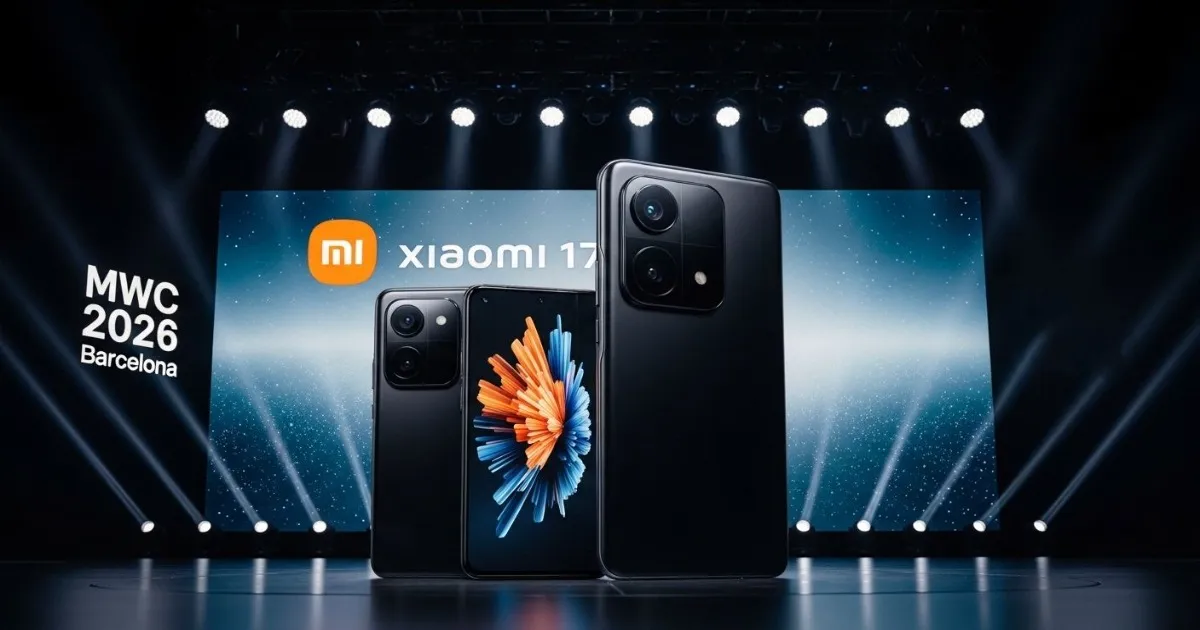
BARCELONA — At Mobile World Congress in Barcelona, the world's largest telecoms event, Xiaomi took the main stage on February 28 to unveil its latest flagship smartphones—the Xiaomi 17 and Xiaomi 17 Ultra.
The timing was deliberate. By launching ahead of traditional powerhouses like Samsung and Apple, Xiaomi signaled that it no longer intends to play catch-up. It wants to set the pace.
But here is what struck me watching the keynote: Xiaomi isn't just selling phones here. It's trying to buy credibility in a market where brand trust is built slowly and usually guarded tightly by Apple and Samsung. That is a much harder sale than any hardware spec sheet.
Two Phones, Two Philosophies
Both devices run on Qualcomm's new Snapdragon 8 Elite Gen 5 chip. That is table stakes for 2026. What actually matters is how Xiaomi has chosen to differentiate the two models.
Xiaomi 17: The Battery Champion
The standard model is aimed at a very specific type of user: the one who is tired of watching their battery percentage drop during afternoon meetings. It packs a 6,330mAh battery into a relatively compact 6.3-inch frame.
Here is the context they didn't mention on stage: that is slightly smaller than the 7,000mAh unit available in China. Regulatory hurdles or supply chain quirks for global markets are the likely culprit. But even at 6,330mAh, it outlasts pretty much every other flagship on the market right now. The Galaxy S26? Around 5,000mAh. The iPhone 17 Pro? Similar story.
It starts at €999. That undercuts the base Galaxy S26 by a noticeable margin. Enough to make someone think twice? Maybe.
Xiaomi 17 Ultra: All About the Glass
The Ultra is where things get technically interesting. Probably one of the better mobile camera setups this year. But the real battle isn't hardware anymore.
- The Main Sensor: A 1-inch 50MP sensor with LOFIC technology. The practical benefit? It handles extreme brightness without turning your highlights into white mush. Concert photos. Sunset shots. Direct sun reflections.
- The Zoom: A 200MP periscope lens with true optical zoom between 75-100mm. No digital cropping. No AI guessing. Just reach.
- The Price: €1,499.
That number deserves its own paragraph. The €1,499 price tag feels less like a cost decision and more like a psychological test. The question Xiaomi is asking: are premium Android buyers ready to trust a challenger brand at this level?
Brand loyalty in that segment is reinforced by years of ecosystem integration—iMessage lock-in, AirDrop convenience, Watch continuity. Breaking through that requires more than just good glass.
The Numbers That Matter
The Rest of the Ecosystem
Xiaomi also dropped a handful of companion devices. The strategy is obvious: get you into the ecosystem and keep you there.
- Xiaomi Pad 8: An 11.2-inch tablet with a 9,200mAh battery. Starts at €449. Competent. But tablets are a hard sell unless the integration with the phone is seamless.
- Xiaomi Watch 5: Runs Wear OS. Has gesture controls. Starts at €299. Fine hardware. The real test is whether it feels sticky enough to replace a Garmin or an Apple Watch.
- Xiaomi Tag: This one is genuinely clever. It is a €15 tracker that works with both Android and Apple's Find My network. Unlike an AirTag, it isn't locked to one ecosystem. That is the kind of interoperability play more companies should make.
The Bigger Pressure
During the keynote, Xiaomi President William Lu talked about a massive R&D spend—over €24 billion over five years—focused on chips, AI, and operating systems.
That number is staggering. But it also reflects pressure. Xiaomi knows that hardware margins are thin and getting thinner. The only way out is owning more of the stack.
The results of that investment are already visible beyond smartphones. The company has delivered over half a million electric vehicles. That is not a side project anymore. They also rolled out a Vision GT supercar concept onto the stage, which felt less like a product announcement and more like a flex. Look what we can build now.
If Xiaomi plays this right, Europe could become its most important premium battlefield over the next five years. The region is less locked into domestic champions than the US or China. Brand switching happens here more easily.
"Xiaomi is no longer playing the value game. With the 17 Ultra at €1,499, they're explicitly targeting the same customers who buy iPhone Pro Max and Galaxy S Ultra. The question isn't whether the hardware competes—it does. The question is whether the brand has earned that trust yet."
The Chinese Market Difference
Here's an important detail that eagle-eyed readers will notice: the global versions have slightly smaller batteries than their Chinese counterparts. The Chinese Xiaomi 17 packs a 7,000mAh cell; the global version gets 6,330mAh. The Chinese Ultra has 6,800mAh; the global settles at 6,000mAh.
Why the difference? Regulatory hurdles are the most likely explanation. Different markets have different certification requirements for battery technology, and shipping the absolute maximum capacity globally may not have been feasible within the launch timeline. It's a compromise, but not a dealbreaker—these are still class-leading numbers.
What This Means for the Industry
Xiaomi's 2026 playbook is clear: win on hardware specifications that matter to enthusiasts, then hope the ecosystem hooks the rest.
The 6,330mAh battery in the standard model resets expectations for what a compact flagship can deliver. If you're Samsung or Apple, you're now answering questions about why your €1,000+ phones still ship with 5,000mAh batteries.
The 200MP periscope zoom on the Ultra pushes the camera race forward. Whether most users need that level of optical reach is debatable. But in the flagship game, perception matters as much as reality. Xiaomi now has a spec it can put on a billboard that Apple can't match.
The €1,499 price tag on the Ultra is the most interesting signal. Xiaomi is explicitly abandoning the "value flagship" positioning that defined its early years. They want to play in the same league as Apple and Samsung, with the same pricing and the same expectations.
Final Thought
The Xiaomi 17 series is technically impressive. The standard model resets expectations for battery life. The Ultra pushes mobile photography forward in meaningful ways.
But the real test won't be the launch event. It will be whether people actually walk into stores in Berlin or Paris and choose this over the familiar names sitting beside it. Whether they trust the camera samples they see online enough to spend €1,500. Whether the ecosystem feels complete enough to leave behind the one they already know.
The hardware is ready. The brand recognition? That is going to take a bit more time. And time is the one thing Xiaomi cannot speed up.
Related Guides
- Best Premium Smartphones to Buy in 2026 (Performance + Camera + Battery Ranked)
- How to Save Battery Life on Flagship Phones — 2026 Working Methods
- Is Expensive Flagship Technology Really Worth It? Honest Buying Guide
- How to Choose the Best Camera Phone for Photography in 2026
- 5 Things You Must Check Before Buying a €1000+ Smartphone
- Why Flagship Phones Are Getting More Expensive Every Year
- Battery Health Tips for Modern Fast-Charging Smartphones
- Android Flagship vs Ecosystem Phones — Which Is Better for You?